.png)
Categories
Buying Dirt, Buying Land, Land Development, Wealth Building, Wealth Building through Real Estate, subdivisionPublished July 16, 2025
Avoid These Subdivision Mistakes! | How To Do a Subdivision Step By Step

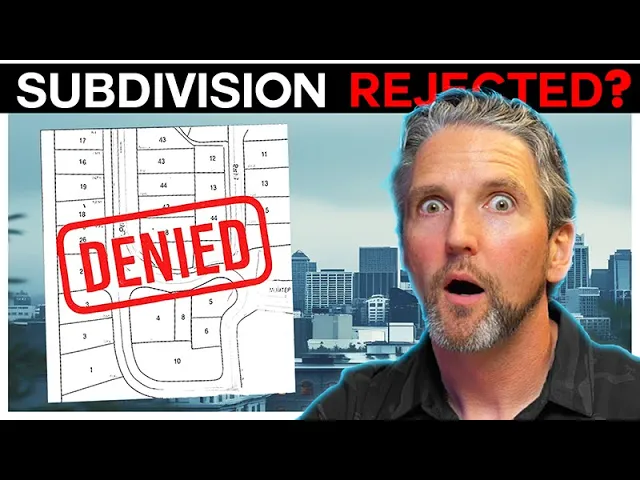
How to Navigate the Subdivision Process (Without Burning Cash or Losing Your Mind)
Land development can be one of the most powerful paths to long-term wealth — but it’s not for the faint of heart. While many people think it’s just about buying a plot and putting homes on it, the real work is in the prep: zoning, paperwork, environmental impact, design standards, and a hundred small steps that, if missed, can delay your project by weeks or cost you hundreds of thousands of dollars.
Here’s a streamlined version of the subdivision checklist we use in our projects throughout the Seattle metro. If you're planning to develop land, this roadmap can save you time, money, and plenty of unnecessary frustration.
1. Start With the Right Application
Every municipality has a unique application and checklist for subdivisions. Your first step is to get a copy of both. This is your roadmap — follow it to the letter. One missing document can mean a full rejection and weeks of delay.
2. Build a Solid Project Narrative
This isn’t just a formality — it’s your story. The project narrative outlines zoning, tax parcel info, proposed unit count, and other key details. A well-written narrative helps the city’s engineer understand what you're doing. It should be clear, concise, and easy for a neutral third party to follow.
3. Know the Design Triggers
Every added unit or density bump might trigger new design standards. For example, a six-unit subdivision might be held to lighter standards than a seven-unit one. Sometimes, scaling back can save time, costs, and headaches without sacrificing return.
4. Don’t Skip These Core Plans
You'll need:
-
A preliminary subdivision map (showing lot layout, roads, stormwater, etc.)
-
A landscape plan (trees, benches, lighting — yes, even bike racks)
-
A grading plan or LDA (how much earth will be moved, and where)
-
A stormwater pollution prevention plan (SWPPP)
Especially in water-sensitive states like Washington, drainage planning can make or break your project.
5. Use a Title Company That Knows Development
Not all title companies are created equal. Find one experienced in land deals — they’ll help flag issues early and connect you with engineers, surveyors, and consultants who know the game.
6. Prepare for Public Notice
You’ll likely have to notify nearby residents and give space for public comment. If you’re following the code, neighbors can’t stop your project — but they can slow it down. Work with a seasoned engineer who knows how to keep timelines tight and municipalities happy.
7. Don’t Ignore the “Optional” Docs
Traffic studies, wetland reports, habitat plans, geotech drilling, hydro-geological surveys, and engineering deviations — many cities say they’re optional, but they’re almost always required. Handle them early to avoid bottlenecks later.
8. Talk to the School and Utility Districts Up Front
Before you even think about submitting, contact the local school district and utility providers (water, sewer). If services aren’t available or near capacity, your project might be dead before it starts. Get written confirmation and availability letters first.
9. Reserve Your Plat Name
Yes, even naming your subdivision needs to be formalized. Cities won’t allow duplicate plat names — and waiting too long to reserve yours could stall your paperwork.
10. Plan for SEPA (and Avoid It If You Can)
If your project triggers a State Environmental Policy Act (SEPA) review, be ready for delays and extra costs. Sometimes reducing unit count slightly can keep you under the threshold and speed up approvals significantly.
Final Thought: Build for Approval, Not Just Design
Land development is about strategic storytelling. Every piece of your application should explain the how and why — and eliminate guesswork for the city. Work with consultants who speak “municipality” and can anticipate objections. A successful project isn’t just well-designed — it’s well-submitted.

Anton Stetner
| Anton Stetner & RESG | Keller Williams North Sound
or another way