.png)
Categories
Taxes, Oil Taxes, Oil Prices, Inflation, EconomyPublished May 7, 2026
How Oil Prices Quietly Destroy Your Purchasing Power

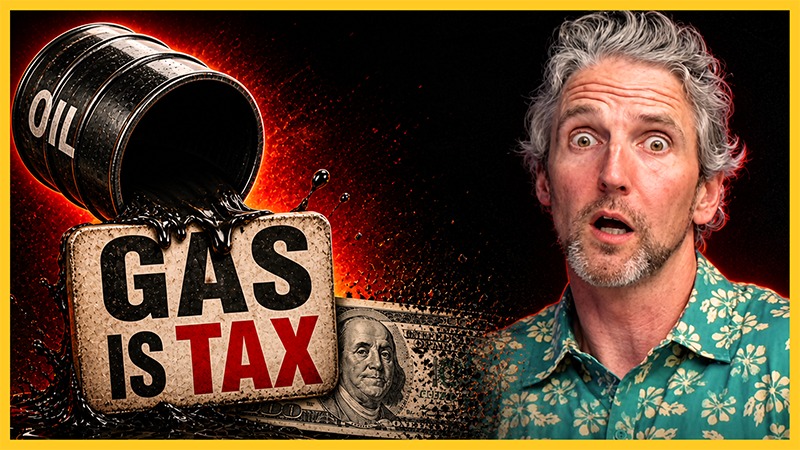
Gas Is the Tax Nobody Can Escape
Every time oil spikes, people act surprised when the economy suddenly starts breaking in weird places.
Housing slows down. Groceries get more expensive. Inflation refuses to die. Mortgage rates stay painfully high. Consumers pull back. Businesses panic. The stock market gets shaky.
And somehow everyone pretends these things are separate.
They’re not.
Oil is the hidden tax behind almost everything in the economy.
Not because you personally drive more. Not because gas stations are evil. But because energy is the foundation underneath modern civilization. Diesel powers transportation. Transportation moves food. Manufacturing needs fuel. Shipping needs fuel. Heating needs fuel. Construction needs fuel. Even your Amazon package depends on oil somewhere in the chain.
So when oil prices surge, every physical product in the economy quietly gets more expensive.
That’s why inflation gets sticky during energy shocks. It spreads everywhere.
And unlike luxury spending, energy isn’t optional. People can skip vacations. They can stop buying electronics. But they still need groceries. They still need heat. They still need to commute to work.
That’s why rising oil acts like a regressive tax. Everyone pays it, but middle and lower-income households get crushed the hardest because a larger percentage of their income goes toward essentials.
Now layer that on top of an economy already struggling with affordability.
Mortgage rates are still elevated. Credit card debt is exploding. Insurance costs are up. Property taxes are rising. Food prices are still painful. And in states like Washington, people are getting squeezed even harder through additional fuel and climate-related taxes.
Consumers were already tired before oil started climbing again.
Now the pressure is getting worse.
And here’s the part people underestimate: the lag effect.
The economic damage from oil shocks doesn’t happen overnight. It spreads slowly through the system over months.
We already watched this happen with tariffs. Companies absorbed costs temporarily, then eventually passed them on to consumers later. Oil works the same way. Even if prices stabilize tomorrow, businesses are still dealing with higher transportation and production costs from the previous months.
That pain eventually shows up everywhere else.
Which is why the real concern isn’t just today’s gas prices. It’s what the economy looks like six months from now if elevated energy costs continue.
History has a pretty ugly track record here.
In 1973, the oil embargo triggered one of the biggest economic resets in modern history. Oil prices exploded. Inflation surged into double digits. The economy stalled out. The Federal Reserve eventually had to slam interest rates higher to stop the dollar from collapsing under inflation pressure.
Then it happened again in 1979.
That second oil shock helped trigger the brutal inflation era that forced Fed Chair Paul Volcker to push interest rates near 20%. Imagine mortgage rates today if the Fed had to do that again.
People complain about 7% mortgages now. Double-digit rates would completely freeze housing.
The scary part is that these events usually create domino effects.
Energy spikes first.
Then inflation surges.
Then central banks raise rates to kill inflation.
Then consumers break.
Then asset prices reprice.
That’s the cycle.
The 1990 Gulf War was slightly different because the conflict was shorter and the economy was stronger. Oil prices doubled quickly after Iraq invaded Kuwait, but the Federal Reserve eventually lowered rates afterward to stabilize growth once the shock eased.
Duration matters.
Short energy spikes hurt. Long energy spikes become economic wrecking balls.
And that’s the real question right now.
If elevated oil prices last for several months instead of several weeks, inflation could stay far stickier than markets expect. That creates massive problems for the Federal Reserve because they’ve already been trying to walk a tightrope between controlling inflation and avoiding a recession.
Higher oil prices make that balancing act much harder.
This is also why mortgage rates haven’t fallen as quickly as many people hoped. Energy costs feed directly into inflation expectations, and inflation expectations influence bond markets and long-term interest rates.
So while people wait for some magical return to ultra-low rates, oil may be one of the biggest reasons that doesn’t happen anytime soon.
The economy runs on energy whether people want to admit it or not.
And when energy gets expensive, everything else eventually follows.

Anton Stetner
| Anton Stetner & RESG | Keller Williams North Sound
or another way