.png)
Categories
Buyer market, Buying Tips & Resources, FED, Federal Reserve, Home Prices, Homes for Sale, Housing crisis, Housing market, Housing Trends, Interest Rates, Mortgage, Mortgage rates, Real Estate Fees, Property taxes, Real Estate Market Trends, Real Estate Tips, Wealth Building through Real EstatePublished May 3, 2026
The Fed Just Changed Washington Housing — And It’s Not Good

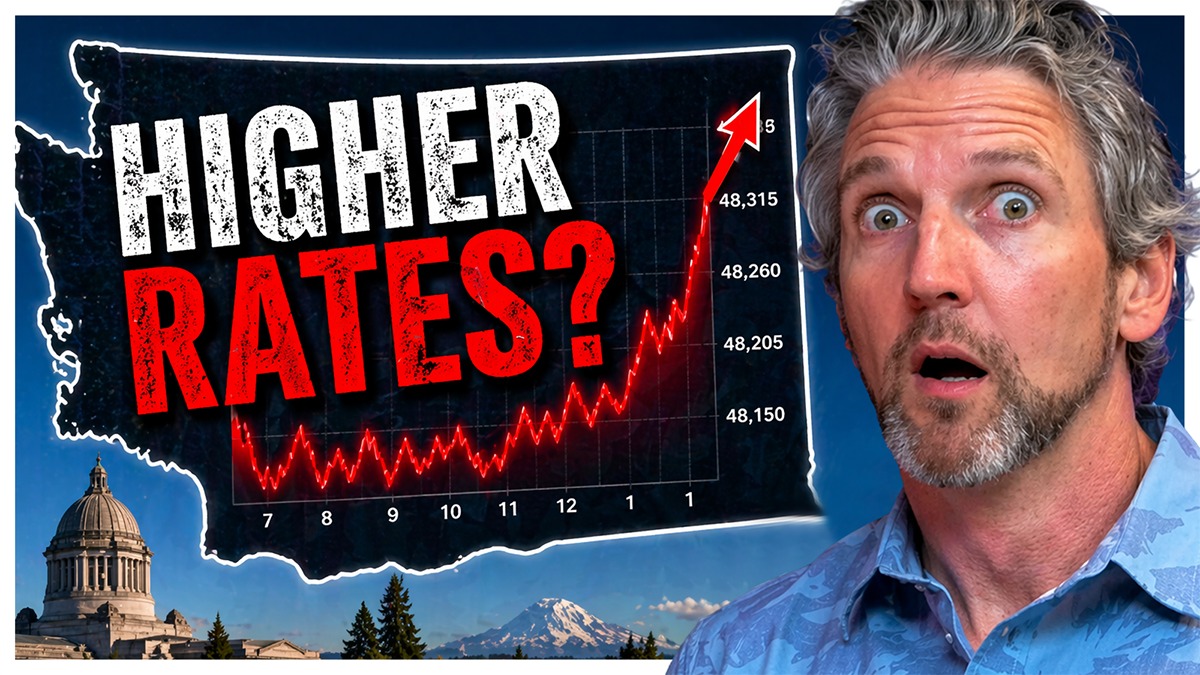
Will the Fed Crash the Seattle Housing Market? Let’s Get Real
Everyone’s waiting for Jerome Powell to step up, say a few words, and somehow decide whether your house is worth $850K or suddenly feels like a $750K regret.
No pressure.
But here’s the uncomfortable truth. The housing market isn’t hanging on one speech. It’s reacting to oil prices, inflation, global tension, and a Federal Reserve that’s basically frozen right now.
And that freeze is doing more damage than any dramatic “crash” headline ever could.
The Market Isn’t Crashing, It’s Hesitating
Let’s get one thing straight.
We are not in a housing crash. We’re in a confidence problem.
Buyers are still there. They’re just waiting. Sellers aren’t panicking. They’re adjusting. And the spring market showed up late and a little off its game.
Why?
Because uncertainty makes people pause.
When mortgage rates move enough to swing your monthly payment by a couple hundred dollars in weeks, people don’t rush into decisions. They slow down.
That pause is what you’re seeing. Not a collapse.
Why Gas Prices Are Messing With Your Mortgage
It sounds unrelated, but it’s not.
When oil prices spike, inflation expectations go up. When inflation expectations go up, the bond market reacts. And when the bond market moves, mortgage rates follow.
Not the Fed.
That’s the part most people get wrong.
Mortgage rates are tied more closely to the 10 year Treasury than the Fed’s headline rate. So even if the Fed does nothing, your borrowing costs can still move around.
That’s exactly what’s been happening.
The Fed Isn’t Saving Anyone Right Now
If you’re waiting for rate cuts to fix affordability, you might be waiting longer than you think.
Right now the Fed is stuck.
Inflation isn’t fully gone. Global risk is high. Leadership is changing. And nobody wants to make the wrong move at the wrong time.
So instead, they’re doing nothing.
And that “nothing” is quietly slowing the housing market.
What’s Actually Happening in Seattle
National headlines don’t matter nearly as much as local data, so let’s talk about what’s really going on here.
In Snohomish County, listings are up. Demand is flat. Sales are down. Prices have slipped slightly.
That means buyers suddenly have options again.
Homes are taking longer to sell. Sellers are negotiating more. Price reductions are back.
King County is holding up better, but not by much. Prices are mostly stable, but the strength isn’t evenly spread.
Higher-end buyers are still active. Mid-range buyers are feeling the pressure.
That gap is getting wider, and it matters.
The Real Shift Is Psychological
The biggest change right now isn’t just numbers. It’s behavior.
Buyers are more cautious. Sellers are quicker to get frustrated. Deals fall apart faster. Everyone is a little more reactive.
That’s what uncertainty does.
It slows things down and makes everything feel harder than it actually is.
So Is This a Bad Time to Buy?
Only if you’re waiting for a perfect moment.
That moment doesn’t exist.
What actually happens is this. As soon as uncertainty fades even a little, buyers come back. And when they come back in a market with limited inventory, prices move up.
Quickly.
The window where buyers have leverage doesn’t stay open long.
The Opportunity Most People Are Missing
While everyone else is waiting for clarity, some people are getting creative.
They’re negotiating closing costs. They’re getting rate buydowns. They’re turning properties into rentals instead of selling. They’re building additional units and creating extra income on the same lot.
None of this is flashy, but it’s effective.
This is the kind of market where strategy matters more than timing.
The Bottom Line
No, the Fed isn’t about to crash the Seattle housing market.
What’s happening is a temporary slowdown driven by uncertainty, not a fundamental breakdown.
Demand is still there. Supply is still tight. And once confidence comes back, the market will move again.
The real question isn’t whether things will change.
It’s whether you’re ready when they do.

Anton Stetner
| Anton Stetner & RESG | Keller Williams North Sound
or another way