.png)
Categories
Buying Dirt, Buying Land, Buying Tips & Resources, FED, Homebuyer Tips, Home Prices, Homes for Sale, Housing crisis, Interest Rates, Property taxes, Real Estate Fees, Real Estate Market Trends, Real Estate Tips, Washington State, Washington State Real Estate, Wealth Building, Wealth Building through Real EstatePublished December 30, 2025
What The FED Money Printing Means For Washington Real Estate

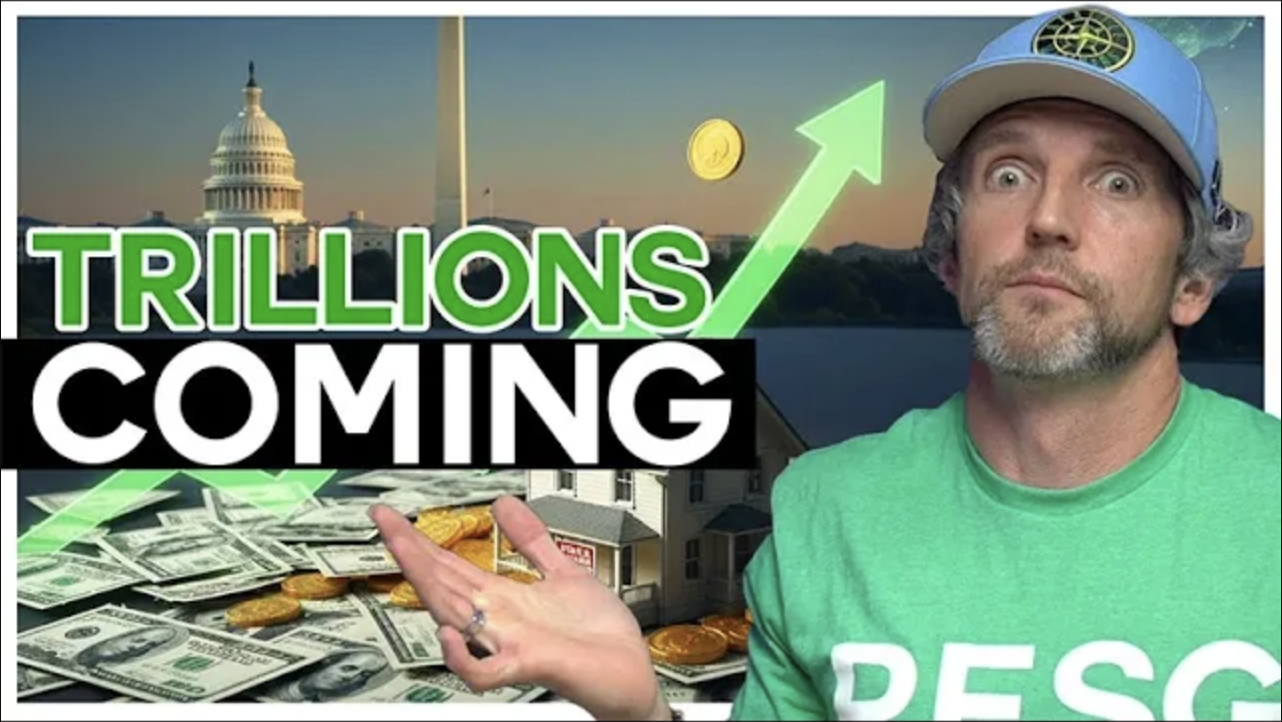
Trillions Are Coming, and Real Estate Will Feel It
The big question is simple: what happens to Washington real estate if the Federal Reserve shifts back toward easy money and the economy gets flooded with liquidity?
A lot of people are fixated on today’s high interest rates. The bigger story is that the Fed is already pivoting. This is not hype. It is policy. Quantitative tightening has been reduced, rate cuts are being discussed, and the path toward a more accommodative stance is being laid out in plain sight.
Whether it is called a pivot, stealth easing, or a “soft landing,” the outcome is the same: cheaper debt and more money in circulation. That is typically bullish for asset prices, especially real estate.
What Quantitative Easing Actually Means
Quantitative easing is the Fed injecting liquidity into the system, mainly through the banking sector. Most people call it money printing.
Quantitative tightening is the reverse. The Fed pulls liquidity out, removing oxygen from the system to slow spending and inflation.
During the ultra low rate era, the Fed purchased large amounts of bonds and mortgage backed securities. As those roll off, the system tightens. When the Fed slows or stops that runoff, it is a move back toward easier money.
That shift matters because the US is structurally dependent on cheap debt. Debt servicing has become a major budget burden, and high rates make that burden heavier.
Why the Fed Is Being Forced Toward Easier Money
This is not just an economic preference. It is math.
The US carries massive debt, and debt service costs rise when rates rise. The government cannot comfortably sustain a world where a growing share of tax revenue is consumed by interest payments. When rates stay high for too long, the pressure builds across the whole system.
At the same time, higher borrowing costs squeeze households and businesses. That squeeze shows up as weaker hiring, slower growth, and more financial stress. When employment weakens, the Fed’s priorities shift toward stabilizing the labor market.
The practical result is higher inflation risk over a longer period and a higher likelihood of easier money policy.
Why This Is Bullish for Assets, and Brutal for the Middle Class
Easier money tends to inflate asset prices. Not just homes, all assets.
It disproportionately rewards asset holders: homeowners, investors, business owners, and people with significant portfolios. It also disproportionately punishes people without assets because everyday costs rise while purchasing power erodes.
That is the uncomfortable reality of the K shaped outcome: wealth compounds at the top, while the middle class absorbs the pain through higher prices, higher rents, and slower income growth.
This is not presented as a moral argument. It is the predictable side effect of how liquidity flows through the economy.
Real Estate as the Inflation Hedge
If inflation is persistent and debt gets cheaper, real estate becomes one of the strongest hedges.
The logic is straightforward: cheaper debt brings more buyers into the market. More buyers increase demand. Washington already struggles with supply. If demand ticks up even modestly, prices respond quickly because we did not build enough housing.
That is the setup for faster home price growth when rates ease further. It is also the setup for stronger rent growth as more households rent while trying to regain affordability.
The Fed Is Not Alone: Global Central Banks Are Cutting
It is not just the United States. Many major central banks have already moved faster toward cuts. When global rates fall faster than US rates, capital often flows toward the US seeking better yields, which can add fuel to US markets.
If US policy then follows the global trend toward easier money, conditions can shift quickly. That is when markets move fast and buyers who waited for “the crash” get left behind.
What to Watch Next
There are a few plausible paths, and your strategy depends on which one plays out.
Base Case
Rates drift down gradually. The Fed eases but avoids aggressive money printing. Real estate stabilizes, and transaction volume rises.
Upside Case
Inflation cools faster than expected. Rates fall into the fives sooner. Refinance activity rises, and real estate demand strengthens.
Downside Case
A growth shock hits and the Fed returns to full easing. Asset prices rise, but the gap between asset holders and everyone else widens.
Low Probability Risk
The Fed eases and inflation re accelerates hard, forcing future tightening. This is less likely near term, but it is the scenario that creates the most chaos.
What Buyers and Investors Can Do Now
If you want to benefit from this shift, the time is usually before the crowd feels confident again.
1) Audit and Refinance Debt Strategically
As rates fall, refinance high rate debt where it makes sense. That includes mortgages, auto loans, and other obligations. The goal is simple: lower your cost of capital before the next wave of demand hits.
2) Look for Deals in the Winter Window
When uncertainty is high, motivated sellers show up. Winter tends to expose them because listings that remain active are often attached to a real deadline.
This is when strong offers, firm terms, and aggressive negotiations actually work.
3) Use Value Add Plays That Manufacture Equity
In Washington, accessory dwelling units and detached accessory dwelling units remain one of the clearest wealth building strategies because you can add rentable square footage without needing to buy a second property.
Middle housing strategies, including duplexes and small multi unit conversions, can also create forced appreciation when executed correctly.
4) Position for Rent Growth in 2026
Rents have been relatively flat, even slightly down in some pockets. That does not mean the trend stays flat. If rates fall and demand rises while supply remains constrained, rent growth follows.
A realistic expectation for 2026 is rent increases that outpace what many landlords experienced in 2025.
5) First Time Buyers Should Watch the Spring Risk
If rates drop and demand rebounds, the spring market can become dramatically harder, especially in supply constrained parts of Washington. If buying is part of your plan, waiting can turn into chasing.
The Bottom Line
Easier money policy is not just a headline, it is a force that changes everything: inflation, debt costs, asset prices, and housing demand.
Washington real estate sits in a market defined by limited supply. If rates continue trending down and liquidity increases, home prices and rents are likely to rise faster than they did during the slowest growth periods.
The goal is not fear. The goal is positioning: reduce expensive debt, hunt motivated sellers while leverage exists, and build an asset base that protects you when the dollar buys less.

Anton Stetner
| Anton Stetner & RESG | Keller Williams North Sound
or another way