.png)
Categories
Buying Dirt, Buying Land, Buying Tips & Resources, FED, Federal Reserve, Homebuyer Tips, Home Prices, Homes for Sale, Housing crisis, Housing market, Housing Trends, Inflation, Interest Rates, Mortgage, Mortgage rates, Real Estate Fees, Property taxes, Real Estate Market Trends, Real Estate Tips, Seattle Real Estate, Wealth Building through Real EstatePublished May 5, 2026
Why Recession Could Hit Washington State This Year

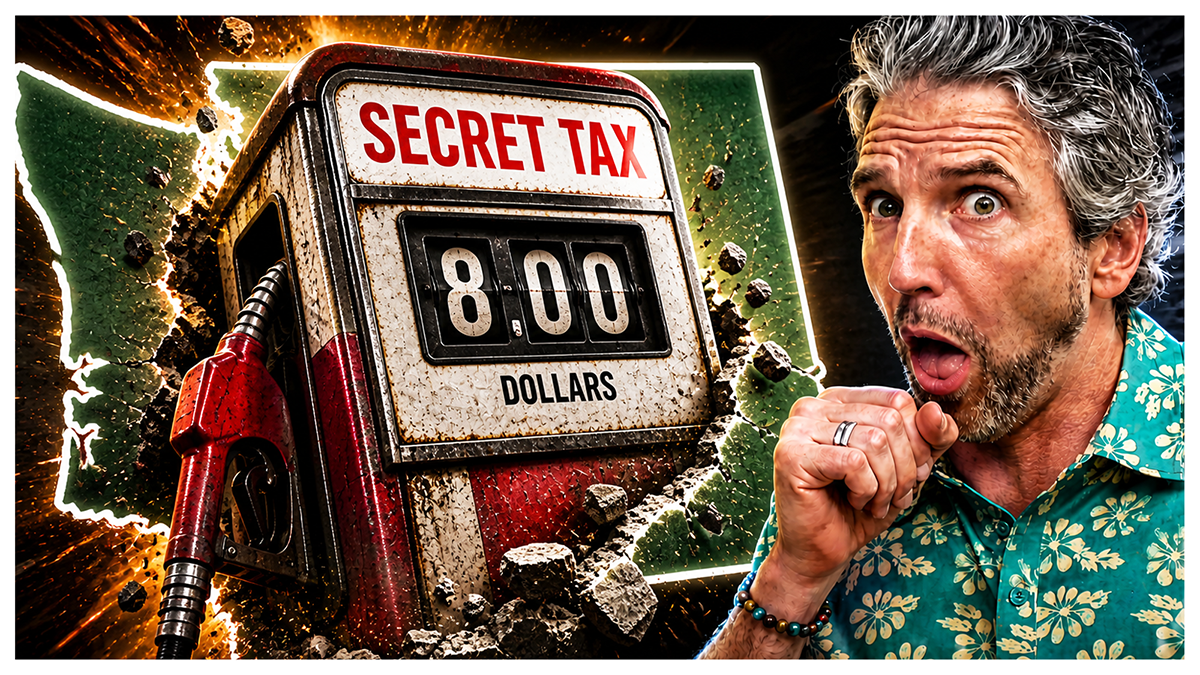
Why High Gas Prices Might Be the Real Reason Interest Rates Aren’t Dropping
Everyone keeps asking the same question: why aren’t interest rates coming down?
The usual answers get thrown around. The Fed. Inflation. Politics. Money printing. Pick your favorite villain.
But there’s a much less talked-about factor quietly running the entire show right now: energy.
Specifically, oil.
And if you’re ignoring that, you’re basically trying to understand the economy with half the data.
The Gas Pump Is the Only Honest Economist Left
It sounds dramatic, but it’s not wrong.
Oil isn’t just another expense. It’s baked into everything. Transportation, construction, food production, manufacturing. If it moves, gets built, or gets delivered, oil is involved.
So when oil prices spike, it’s not just annoying at the pump. It acts like a hidden tax on the entire economy.
Every dollar you spend suddenly buys less. Businesses get squeezed. Consumers get squeezed harder. And eventually, something breaks.
Historically, this pattern is not new.
Every major oil shock since the 1970s has followed the same rhythm. Prices spike. Inflation rises. The Fed reacts. The economy slows. Then asset prices adjust, including real estate.
There’s always a delay, though. Stocks react fast. Real estate takes about a year or more to fully feel it.
That delay is where we are right now.
This Isn’t Just About Oil. It’s About Timing
Here’s the part people underestimate.
The damage from higher energy costs doesn’t show up all at once. It creeps in.
First, consumers feel it in their monthly budgets. Then businesses start absorbing higher costs. Then margins shrink. Then hiring slows. Then layoffs start.
By the time everyone agrees “something’s wrong,” the cycle is already well underway.
Right now, oil is sitting high enough to create pressure but not high enough to completely break the system. Think of it as a stress test that hasn’t snapped yet.
That’s why the Fed is stuck.
They can’t cut rates because inflation is still too high. But they can’t raise rates much more without crushing consumers and businesses that are already stretched thin.
So what do they do?
They wait.
The Fed Isn’t Confused. They’re Cornered
The idea that the Fed is just being slow or clueless misses the point.
They’re dealing with conflicting signals.
Inflation is still elevated. Energy prices are pushing it higher. At the same time, consumer debt is already at record levels. Business bankruptcies are rising. Small businesses are getting squeezed.
Cutting rates too early risks reigniting inflation. Holding rates too high risks triggering a deeper slowdown.
So they stall.
And that stall is exactly why you’re not seeing lower mortgage rates yet.
Washington State Is Feeling This More Than Most
Now layer in local policy, and things get even tighter.
Washington doesn’t produce meaningful oil. That means it absorbs the full cost of rising energy prices. On top of that, there are additional fuel taxes and environmental regulations that push prices even higher.
So while other states feel the pressure, Washington feels it more intensely.
Higher gas prices. Rising utility bills. Increased construction costs.
All of that feeds directly into housing affordability.
It’s not just about home prices anymore. It’s about the total monthly cost of living, and that number is climbing fast.
What This Means for Real Estate
This is where people usually expect a dramatic conclusion. Prices crash. Market resets. Big headlines.
That’s not what’s happening.
Instead, we’re in something quieter but just as important.
A slow, grinding adjustment.
Higher costs are limiting how much buyers can afford. Higher rates are limiting how much they want to borrow. Sellers are adjusting expectations, but not dramatically.
So the market isn’t collapsing. It’s stalling.
And when markets stall, something interesting happens.
Opportunities show up.
Not everywhere. Not for everyone. But for people paying attention, this is where deals get made.
The Real Shift Happening Right Now
This isn’t a “get rich quick” market.
It’s a “get positioned correctly” market.
The people waiting for a perfect crash might be waiting a long time. The people blindly buying without understanding the bigger picture might get squeezed.
The ones who win are the ones who understand what’s actually driving the market.
Right now, that driver is energy.
Not hype. Not headlines. Not social media predictions.
Just math.
And the math doesn’t care how anyone feels about it.
So… What Should You Actually Watch?
If you want to understand where things are going, stop obsessing over daily mortgage rate updates.
Start watching oil.
Watch how long prices stay elevated. Watch whether they keep climbing or stabilize. Because that will tell you more about where inflation, rates, and housing are headed than almost anything else.
If energy costs ease, the Fed gets room to breathe. If they don’t, expect this pressure to stick around longer than most people are comfortable with.
Final Thought
This isn’t about panic. It’s about clarity.
The economy isn’t random. It’s just layered.
And right now, the layer most people are ignoring is the one quietly influencing everything else.
So before you make your next move, whether that’s buying, selling, or sitting tight, ask a better question:
Not “what are rates doing?”
But “what is energy doing?”
Because that answer is already shaping the next phase of the market.

Anton Stetner
| Anton Stetner & RESG | Keller Williams North Sound
or another way